


























































































































































FDA approval makes Differin Epiduo Acne Gel available OTC for patients aged 12 years or older with acne.


FDA approval makes Differin Epiduo Acne Gel available OTC for patients aged 12 years or older with acne.
FDA approved roflumilast (Zoryve) cream 0.3% for plaque psoriasis in children as young as age 2, expanding the once-daily steroid-free topical indication.
FDA approved risankizumab for children aged 6 years or older with moderate to severe plaque psoriasis or active psoriatic arthritis.

Takeda reported phase 3 data showing zasocitinib achieved higher week 16 PASI 100 responses than deucravacitinib in plaque psoriasis.

Phase 3b findings suggest that combining a GLP-1/GIP receptor agonist with IL-17 inhibition may improve both joint and metabolic outcomes in adults with psoriatic arthritis and obesity.

New 4-year data from the ADlong trial show lebrikizumab achieved EASI-75 in 94% of atopic dermatitis patients on once-monthly maintenance dosing.

Linda Stein Gold, MD, discusses recognizing when psoriasis patients need systemic therapy, and how icotrokinra's once-daily oral dosing can change the conversation.
FDA clears once-daily icotrokinra pill for moderate-to-severe plaque psoriasis, with strong PASI responses and placebo-like safety.

Data from a new meta-analysis shows weight loss therapies were associated with clinically and statistically significant improvements in psoriasis severity. Study investigators sheds light.

Three-year BE HEARD data show bimekizumab sustains HS lesion clearance, cuts draining tunnels, and improves severity and quality of life.

Researchers found that 58% of infants with atopic dermatitis achieved a 75% improvement in EASI-75 at week 4 with once-daily roflumilast cream 0.05%.
A new study reveals icotrokinra's comparable efficacy to existing therapies, offering hope for treatment-refractory patients facing resistance challenges.
Results show significant concerns about topical steroid use in chronic skin diseases, highlighting the need for proactive long-term management strategies.

This episode reviews intranasal epinephrine use, pediatric atopic dermatitis data, dementia screening tools, adolescent TMS, and oral PCSK9 therapy.

Weight-loss interventions significantly enhance psoriasis severity and quality of life, emphasizing their role in effective psoriasis management strategies.

Your daily dose of the clinical news you may have missed.
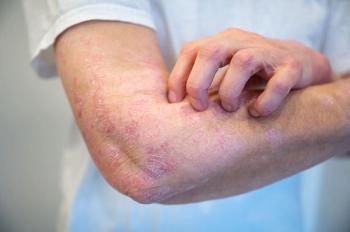
Zasocitinib showed significant efficacy in treating moderate-to-severe plaque psoriasis, outperforming placebo and apremilast in pivotal phase 3 trials.
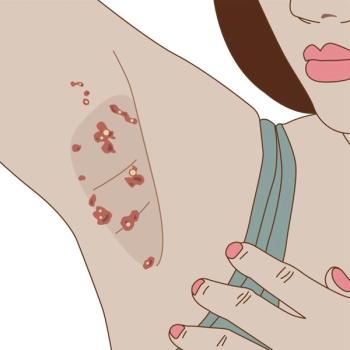
This is a summary of the multisystem effects of hidradenitis suppurativa followed by practical tips for primary care in recognizing and managing the chronic skin condition.

Phase 2b REZOLVE-AA trial results show rezpegaldesleukin reduced SALT scores versus placebo in severe alopecia areata, supporting Phase 3 development.
This is a topline look for primary care on when to suspect hidradenitis suppurativa, how to stage severity, and when to escalate treatment or refer to dermatology.

Findings support the importance of integrating behavioral health assessment into dermatology visits, particularly for patients with high quality-of-life impairment.
A practical, evidence-based overview of how to recognize hidradenitis suppurativa early, stage disease severity, and coordinate care before progression.

Dupilumab shows superior 2-year drug survival rates in atopic dermatitis compared to other biologics and JAK inhibitors, highlighting its effectiveness in treatment persistence.

Two global phase 3 trials found rocatinlimab significantly improved EASI-75 and vIGA-AD outcomes at 24 weeks in people with moderate-to-severe AD with acceptable safety.

Genetic predisposition to psoriasis appears to raise depression risk, offering insights into shared inflammatory mechanisms and implications for screening.